



Get free consultation
Fill out the form and we will contact you
When planning to travel, work, study, or visit relatives in the United States, one of the most common questions is how long a U.S. visa is valid. Many people confuse the visa validity period with the length of authorized stay, which can lead to misunderstandings and problems during entry and exit procedures. In reality, the validity of a U.S. visa depends on several factors such as the visa category, the applicant’s nationality, the purpose of entry, and the decision of the U.S. Consulate. Understanding these concepts clearly will help you plan your trip more effectively and avoid violating U.S. immigration regulations.
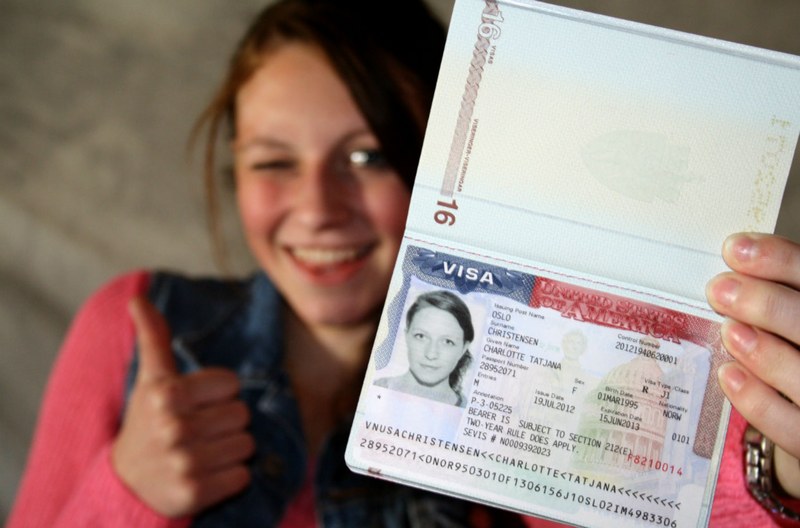
Before learning how long a U.S. visa is valid, it is important to understand the difference between visa validity and the permitted length of stay in the United States. Visa validity refers to the period during which the visa is valid for entry into the U.S. Meanwhile, the length of stay is the number of days or months you are allowed to remain in the U.S. for each entry.
A valid visa does not mean that you can stay in the U.S. until the visa expiration date. The specific length of stay is determined by U.S. Customs and Border Protection officers at the port of entry and is clearly stated on the I-94 form.
The U.S. tourist visa, commonly issued as a B1/B2 visa, is the most popular visa type for Vietnamese citizens. In most cases, the B1/B2 visa is granted with a validity of up to 1 year or 10 years, allowing multiple entries.
With a B1/B2 visa, each time you enter the United States, you are usually permitted to stay for a maximum of six months. However, this period may be shorter depending on the decision of the immigration officer and the declared purpose of your trip.
Being granted a 10-year visa does not mean that you can stay in the U.S. continuously for a long period. Visa holders must comply with the declared purpose of entry and avoid overstaying or engaging in unauthorized employment.
For U.S. student visas, the most common type is the F-1 visa. The validity of an F-1 visa typically depends on the duration of the academic program. The visa may be issued for several months or several years, but a key point is that the length of stay is tied to the student’s academic status rather than solely to the visa expiration date.
International students are allowed to stay in the U.S. throughout their period of study and for an additional grace period after completing their program. During this time, even if the visa expires, students may remain in the U.S. as long as they maintain a valid student status without violating regulations.
U.S. work visas include various categories such as H-1B, L-1, O-1, and others. Each visa type has its own validity period, depending on the nature of the job and the employment contract.
Generally, U.S. work visas are valid for one to three years and may be extended if the worker continues to meet the required conditions. Some visa categories allow multiple extensions, but there is usually a limit on the total length of stay in the United States.
Workers should pay close attention to their visa validity and legal status to avoid affecting future visa applications or immigration plans.
Unlike nonimmigrant visas, U.S. immigrant visas are issued to individuals who intend to live permanently in the United States. After entering the U.S. with an immigrant visa, the individual will receive a Green Card and become a lawful permanent resident.
Immigrant visas usually have a limited validity period for the initial entry. However, once the individual has entered the U.S. and received a Green Card, the visa validity is no longer a key concern. Instead, attention should be paid to the validity of the Green Card and the accompanying obligations.
Many people wonder why applicants for the same type of U.S. visa may receive different validity periods, such as one year versus ten years. In practice, visa validity depends on various factors, including travel history, personal background, ties to the home country, and the assessment of the consular officer.
In addition, visa policies between the United States and each country also affect the granted validity period. For Vietnamese citizens, a 10-year U.S. tourist visa has become relatively common in recent years, but it is not applied to all cases.
If you are still wondering how long a U.S. visa is valid, which visa type best suits your personal purpose, or if you need in-depth advice on immigration and citizenship, seeking professional consultation is a safe choice. At https://quoctichthuhai.com/, you can find useful information about U.S. visas, immigration programs, and second citizenship options, along with an experienced advisory team ready to help you build a suitable, transparent, and lawful plan.
Fill out the form and we will contact you