

Get free consultation
Fill out the form and we will contact you
Which countries are in the Americas is a question that many people are interested in when learning about world geography, especially when they are planning to travel, study, work, or settle in this region. The Americas stretch from the Arctic region in the north to near the South Pole, covering a vast area with diverse landscapes, climates, cultures, and languages. So, how many countries are there in the Americas? Which countries belong to each region? Let's explore the details below.
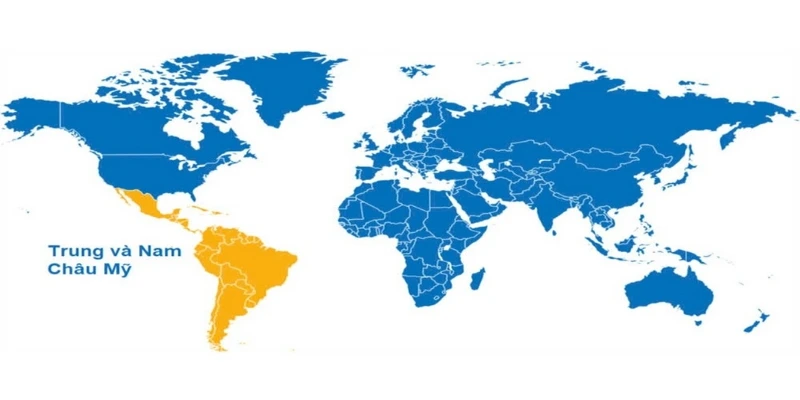
The Americas are located primarily in the Western Hemisphere and span a vast geographical area. To the north, they border the Arctic Ocean; to the east, the Atlantic Ocean; and to the west, the Pacific Ocean.
Because they extend across many latitudes, the Americas have an extremely diverse climate system. From the icy regions in the north, temperate and tropical areas to the distinctive climates of South America, each region creates its own unique landscapes and ecosystems.
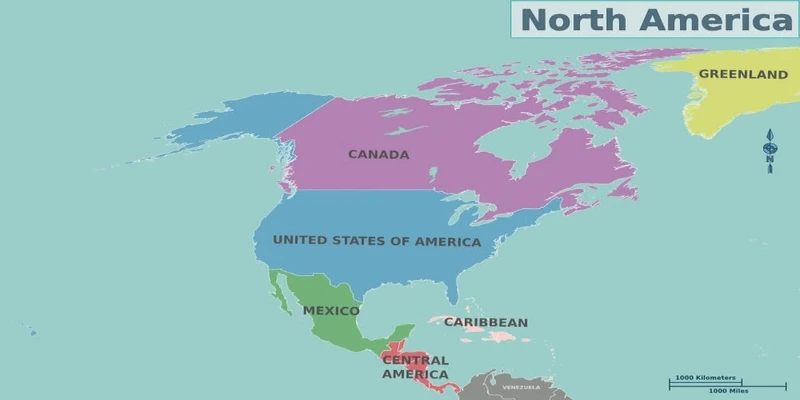
Geographically, the Americas are commonly divided into:
North America: includes Canada, the United States, Mexico, and several territories.
Central America: the region connecting North America and South America, including the countries located on the Central American isthmus and many Caribbean island nations under a broader regional classification.
South America: located south of the Isthmus of Panama, comprising many countries with diverse cultures and histories.
This vast geographical extent makes the Americas one of the regions of the world with remarkable levels of natural and cultural diversity.
According to the commonly used classification, there are 35 independent countries in the Americas. In addition, there are many dependent territories or regions with special political statuses. The 35 countries are commonly divided into the following regions:
North America is the region located in the northern part of the Americas. The three largest and most commonly mentioned countries here are:
Canada
United States
Mexico
These are also the three countries with large land areas that play important roles in the region's economy, trade, education, and technology.
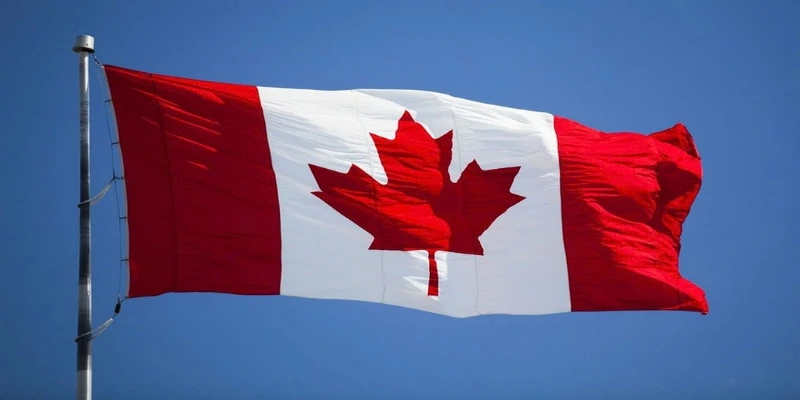
Canada is located in the northernmost part of North America and is one of the largest countries in the world by area. The capital of Canada is Ottawa.
The country is known for its vast territory, diverse natural landscapes, extensive lake systems, forests, and regions with cold climates. Canada is also a destination of interest for people considering studying abroad, working, and immigrating.
The United States has Washington, D.C. as its capital and consists of 50 states and one federal district. It is one of the world's largest economies and has a strong influence in many fields, including technology, finance, education, entertainment, and international trade.
>>> See more: Countries with the fastest naturalization processes, 6 investment opportunities in 2026
Famous cities such as New York, Los Angeles, Chicago, and San Francisco are also important economic and cultural centers. Mexico is famous for its ancient ruins, beaches, cuisine, and many traditional festivals. Spanish is the language widely spoken in this country.
When learning about which countries are in the Americas, Central America is a region that should not be overlooked. This is a land area that serves as a geographical bridge between North America and South America. The countries in Central America and the Caribbean commonly listed in this group include:
Antigua and Barbuda
Bahamas
Barbados
Belize
Costa Rica
Cuba
Dominica
Dominican Republic
El Salvador
Grenada
Guatemala
Haiti
Honduras
Jamaica
Nicaragua
Panama
Saint Kitts and Nevis
Saint Lucia
Saint Vincent and the Grenadines
Trinidad and Tobago
Although they do not have areas as large as Canada, the United States, or Brazil, many countries in the region have tropical landscapes, islands, and very distinctive cultures.
Panama is located in a special position connecting North America with South America. Its capital is Panama City. The country's most prominent feature is the Panama Canal, a maritime transportation route that plays an important role in international trade.
Costa Rica is known for its rich natural landscapes, tropical rainforests, and diverse ecosystems. The capital of the country is San José. The country is also frequently mentioned in nature exploration itineraries in Central America.
Cuba is a Caribbean island nation with Havana as its capital. The country is famous for its historic architecture, music, distinctive culture, and tropical beaches.
Jamaica has Kingston as its capital and is one of the famous island nations in the Caribbean. The country has a strong cultural identity, particularly in music and island life.
South America is located in the southern part of the Americas and has a very large area. The region is notable for the Andes Mountains, the Amazon rainforest, vast plains, and many unique ecosystems.
The independent countries in South America include:
Argentina
Bolivia
Brazil
Chile
Colombia
Ecuador
Guyana
Paraguay
Peru
Suriname
Uruguay
Venezuela
Argentina has Buenos Aires as its capital and is the second-largest country in South America by area, after Brazil.
The country stretches across many geographical regions, from the Andes Mountains to vast plains. Argentina is also famous for its tango culture, football, and distinctive cuisine.
Bolivia is located in the interior of South America and has no coastline. Its administrative capital is La Paz.
This country has great cultural diversity and numerous indigenous communities. Bolivia's terrain is also very distinctive, with vast highland areas and impressive mountainous landscapes.
Brazil is the largest country in South America by area and one of the largest countries in the world. Its capital is Brasília. It is also the country where Portuguese is the main language, unlike most South American countries, where Spanish is spoken. Brazil is famous for the Amazon rainforest, Carnival, football, and its rich cultural identity.
Chile lies along the western coast of South America, with a territory that stretches from north to south. The country's terrain is highly diverse, ranging from deserts to high mountains and icy regions. The capital of Chile is Santiago.
Colombia is located in the northern part of South America and has coastlines along both the Caribbean Sea and the Pacific Ocean. Its capital is Bogotá. Colombia is famous for its coffee, natural landscapes, and culture influenced by many different communities.
Peru has Lima as its capital and is famous for the heritage of the Inca civilization and its distinctive archaeological sites. One of Peru's most famous destinations is Machu Picchu, a landmark that attracts visitors from around the world.
>>> See more: Visa-free travel: What is it? An important factor in investment immigration
In addition to the countries mentioned above, South America also includes:
Ecuador
Guyana
Paraguay
Suriname
Uruguay
Venezuela
To better understand which countries are in the Americas, you can refer to the table below:
According to the above classification, there are a total of 35 independent countries.
Each country has its own natural conditions, culture, language, and policies. This is also why the Americas have become a region of interest for many people when choosing destinations for travel, study, work, or exploring immigration opportunities.
If you are interested in second citizenship, immigration, residency rights, and international investment programs, visit quoctichthuhai.com for more information, updates, and guidance on choosing the right path.
Fill out the form and we will contact you